
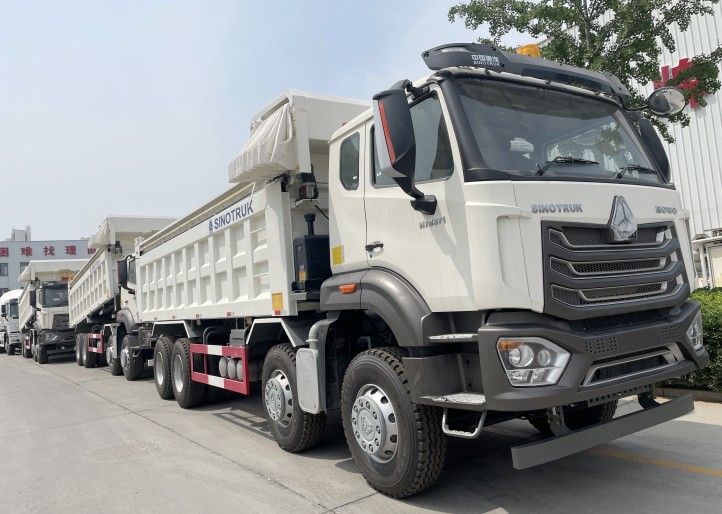
Operating a fleet of heavy-duty trucks in the West African corridor presents a unique set of challenges. From the fine dust of the Harmattan season to the intense heat and varied road topographies, the environment demands a specialized approach to maintenance.
To protect your investment and ensure operational uptime, here is a professional guide to maximizing the lifespan of your heavy-duty fleet.
1. The “Air Filtration” Priority
In West Africa, dust is the primary enemy of engine longevity. Fine particulate matter can act like sandpaper inside an engine, leading to premature wear of pistons and cylinder liners.
-
The Strategy: Do not rely solely on standard service intervals. In high-dust areas, air filters should be inspected weekly.
-
Best Practice: Always use genuine high-efficiency particulate air (HEPA) filters. Avoid the common mistake of “cleaning” old filters with compressed air, as this can create micro-tears that allow dust to bypass the filtration system entirely.
2. Cooling System Integrity in High Temperatures
With ambient temperatures frequently exceeding 35°C, a truck’s cooling system works under extreme pressure. Overheating is a leading cause of catastrophic engine failure and cracked head gaskets.
-
Coolant Quality: Never use plain water. High-quality glycol-based coolants with corrosion inhibitors are essential to prevent internal scaling and rust.
-
Radiator Maintenance: Ensure the radiator fins are kept clear of debris and insects, which can block airflow. Regularly check the belt tension of the cooling fan and the functionality of the thermostat.
3. Lubrication: The Lifeblood of the Drivetrain
Heavy loads and rough terrain put immense stress on the engine, transmission, and differentials.
-
Heat-Resistant Oils: Use high-viscosity lubricants specifically rated for heavy-duty diesel engines (such as SAE 15W-40) that maintain their protective properties even under high thermal stress.
-
Greasing Points: West African roads can be unforgiving on the chassis. Ensure that all grease points—including kingpins, U-joints, and fifth-wheel plates—are lubricated frequently to prevent metal-on-metal friction and expensive suspension repairs.
4. Tire Management and Pressure Monitoring
Tire costs are often the second-highest expense after fuel. In West Africa, heat buildup is the primary cause of tire blowouts and ply separation.
-
Morning Checks: Always measure tire pressure in the morning when the tires are “cold.” Over-inflation leads to center-tread wear and susceptibility to impact damage, while under-inflation causes excessive heat buildup.
-
Rotation and Alignment: Given the uneven nature of many secondary roads, regular wheel alignment and tire rotation are critical to ensuring even wear and extending the life of the casing for potential retreading.
5. Fuel System Hygiene
Fuel quality can vary significantly across different regions. Contaminated diesel containing water or sediment can quickly ruin expensive fuel injectors and high-pressure pumps.
-
Water Separators: Ensure all trucks are equipped with high-quality primary fuel-water separators.
-
Drainage: Drivers should be trained to drain the water separator daily to prevent moisture from reaching the combustion chamber.
6. The “Proactive” Driver Culture
The most sophisticated maintenance program is only as good as the person behind the wheel. Drivers are the first line of defense.
-
Daily Walk-arounds: Implement a mandatory pre-trip inspection checklist covering fluid levels, leaks, and tire integrity.
-
Sensor Awareness: Modern trucks like the HOWO series are equipped with advanced dashboard diagnostics. Training drivers to stop immediately when a “Low Oil Pressure” or “High Temp” light appears can save an engine that would otherwise be destroyed in minutes.
Conclusion: Maintenance as an Investment, Not an Expense
In the logistics and hauling industry, a truck that is not moving is a truck that is losing money. By shifting from reactive repairs (fixing it when it breaks) to proactive maintenance (preventing the break), fleet managers can significantly lower the Total Cost of Ownership (TCO) and ensure their vehicles serve the company for decades.
At GAS Trading & Agricultural Ltd, we don’t just sell heavy-duty equipment; we partner with you to ensure your fleet remains the backbone of your business success.