
In the agricultural sector, timing is everything. A delay of just a few days in the delivery of fertilizer or seeds can lead to a significant reduction in seasonal yields. For years, the Nigerian agro-value chain has been hampered by “fragmented logistics”—a system where farmers, suppliers, and transporters operate in silos.
Today, the shift toward integrated logistics is bridging this gap, ensuring that the journey from the port to the farm gate is seamless, efficient, and reliable.
1. The Critical Link: Beyond Simple Transportation
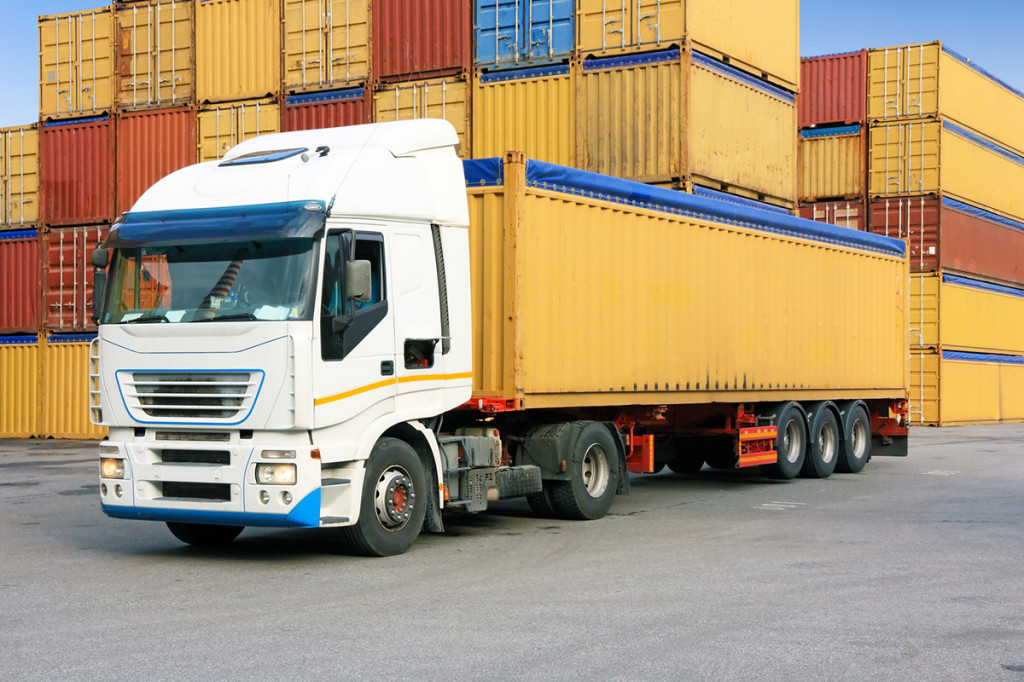
Integrated logistics is more than just moving goods from point A to point B; it is about the strategic synchronization of the entire supply chain. At GAS Trading & Agricultural Ltd, our logistics division serves as the connective tissue between industrial production and rural application. By managing our own fleet of heavy-duty hauling units, we eliminate the uncertainty of third-party scheduling.
2. Solving the “Last Mile” Challenge
One of the greatest hurdles in the Nigerian agro-sector is the “last mile”—the final leg of the journey to remote farming communities. Integrated logistics utilizes a hub-and-spoke model:
-
Strategic Hubs: Large-scale shipments are moved from Lagos or Port Harcourt to central hubs in Zaria or Kano.
-
Localized Distribution: From these hubs, smaller, more agile units distribute products to over 500 direct vendors, ensuring that even the most remote farmers have access to essential inputs exactly when the planting rain begins.
3. Reducing Post-Harvest Loss and Input Waste
Inefficient logistics often lead to damaged goods or expired chemicals due to improper storage and long transit times. An integrated system incorporates specialized handling and real-time tracking, ensuring that sensitive agro-chemicals and fertilizers remain in peak condition. This reliability gives farmers the confidence to invest in high-quality inputs, knowing they will arrive on time and intact.